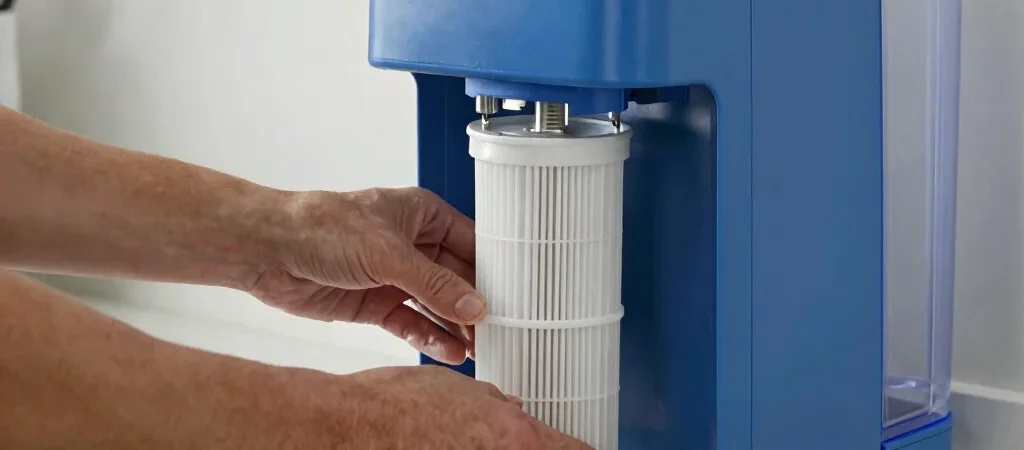
Replacing water filter cartridges on time is the single most critical task in maintaining healthy indoor drinking water. Overused media can become saturated, leading to significantly reduced flow rate or bitter tastes. Staying ahead of schedule ensures your system performs according to its rated standards.
Recognizing Signs of Cartridge Saturation
While manufacturer calendar recommendations serve as a general baseline, real-world household water usage varies. The primary indicator that a filter needs swapping is a noticeable reduction in flow rate through the spigot. Changes in clarity or subtle changes in tap water odor also indicate that activated carbon channels are fully saturated.
Impact of Tap Water Hardness on Filter Lifespan
Municipal tap water containing high levels of dissolved minerals like calcium and magnesium creates additional sediment strain on fine micron filters. Regions with hard water will see reduced cartridge longevity compared to areas with softer municipal water. Monitoring total gallon throughput rather than strictly adhering to calendar dates gives a far more accurate replacement metric.
Best Practices for Routine Dispenser Cleaning
Whenever you swap in a fresh cartridge, wash the reservoir and lower dispensing spigot with mild soap and warm water. Trapped moisture around rubber seal gaskets can harbor bacterial growth if left uncleaned during cartridge changes. Flushing new filters according to manufacturer instructions removes loose carbon fine particles before first drink.
Products not fetched from DB and/or API. Please check debug logs.