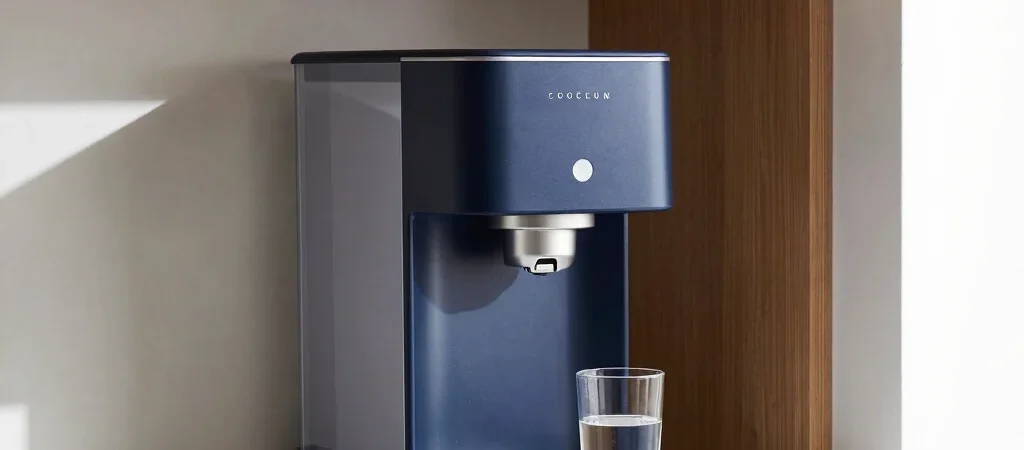
Selecting the right water filter dispenser comes down to a few critical metrics that go far beyond aesthetic appeal. Kitchen counters often have limited clearance beneath hanging cabinets, making physical dimensions just as important as filtration capacity. Before committing to a unit, checking your available vertical space and proximity to a sink is essential for smooth daily refills.
Measuring Countertop Footprint and Daily Capacity
Most standard household dispensers hold between 18 and 30 cups of filtered water. While a larger reservoir reduces the frequency of refills, it requires a broader footprint that may crowd smaller counters or refrigerators. Measure the height from your countertop to cabinet bottoms, keeping in mind that top-pour models need extra clearance for pitcher refills.
Understanding Cartridge Longevity and Operating Costs
Initial pricing rarely tells the whole story of what a filtration system costs over time. Calculating the true cost-per-gallon involves factoring in cartridge longevity, which typically ranges from 40 gallons for standard activated carbon filters to over 120 gallons for multi-stage systems. Higher capacity cartridges cost more upfront but save money and maintenance effort throughout the year.
Verifying NSF Certifications and Micron Ratings
To ensure your dispenser actually targets specific municipal water issues like chlorine, lead, or microplastics, verify its independent testing standard. Look for NSF certification numbers such as Standard 42 for aesthetic taste or Standard 53 for heavy metals. A smaller micron rating indicates finer filtration pores, which trap finer particulate matter before it reaches your glass.
Products not fetched from DB and/or API. Please check debug logs.